
Automatically Classify Sensitive Data in File Shares, Databases, Applications and more
Schedule a Demo
Every security decision starts with knowing what data you have, where it lives, and how it moves. Data classification is the engine behind those decisions. A slow engine that feeds you bad or partial data leaves you flying blind and unable to decide with confidence.
DataStealth’s Data Classification engine stands out with its highly configurable policies and low level of false positive results, thanks to the use of sophisticated data handlers for all types of sensitive data, coupled with our confidence and validity scoring for each individual piece of sensitive data.

You will be perfectly positioned to enforce the right protections (masking, tokenization, or encryption), reduce audit scope, and prove compliance without slowing the business.
See it in action →
DataStealth classifies sensitive data across databases (SQL/Oracle, PostGres, etc.), files (PDF, DOCX, XLSX etc.), semi-structured (JSON, XML, CSV etc.), images, and streams providing full coverage.

Scan 100% of rows and files where configured, which reduces edge-case mislabels caused by partial views
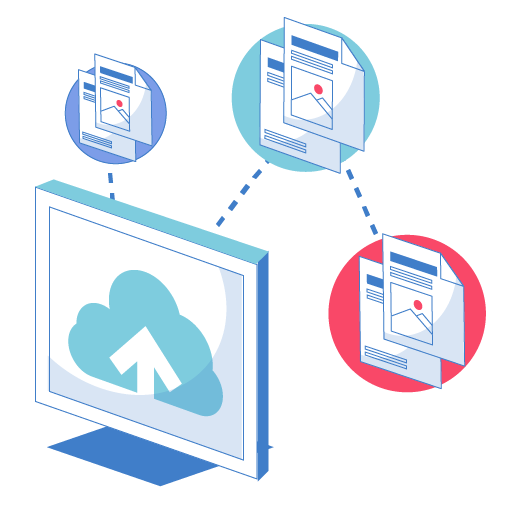
Beyond regex, DataStealth combines pattern matching with contextual analysis, named‑entity recognition, and AI where applicable so candidates must make sense in context, not just match a pattern.
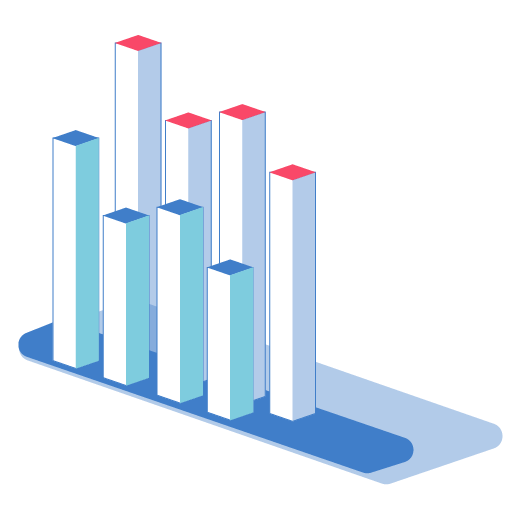
Every hit carries a confidence score; policies set thresholds so only high‑confidence findings are reported

Multi-step validation applies algorithmic checks like Luhn for PANs and other format validators, plus heuristics such as Soundex for names to eliminate false positives
Operator feedback on confirmed false positives is incorporated so future scans won’t re-flag the same patterns or locations

Define custom classifiers and thresholds to meet your exact governance and compliance needs, even for proprietary data types.

correlates values with column type, neighboring fields, and known data models to suppress coincidences in numeric columns or IDs that merely “look like” PII/PCI
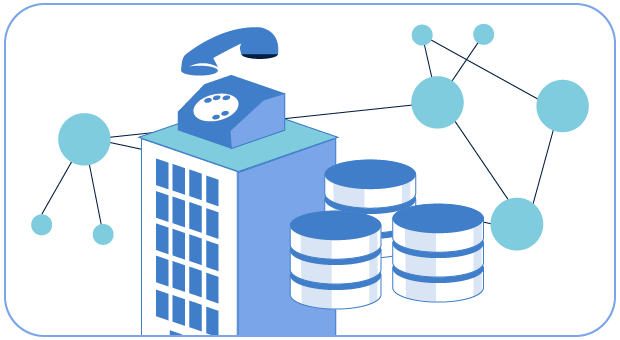
Our customer, the CISO of a national telecom, was preparing for privacy laws that let customers invoke the “Right to be Forgotten” or the “Right to Information”. With hundreds of systems across multiple environments, the team needed more than a general inventory of driver’s-license data (as an example of the type of data that would be covered by this legislation), they had to locate the specific driver’s license for the individual making the request.
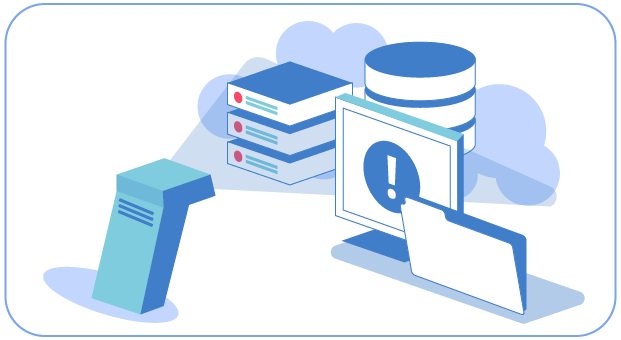
DSARs and “Right to be Forgotten” require a precise, complete view of an individual’s data across all systems. Profile Expansion automates this by starting with a seed, like an email or ID, and fanning out across connected systems to gather every related record into one profile. This is only possible with a powerful classification engine and near-zero false positives.
The implementation used DataStealth Data Classification as the base functionality and then focused on mapping and aggregation of specific individual data. This implementation also persisted the relationships in GraphDB to enable pivoting and reporting. It was built to support privacy operations even if downstream teams chose other DSAR execution methods.

Get expert answers on how to deploy DataStealth at enterprise scale in your environment without performance trade-offs, code rewrites, or disruption.
SCHEDULE My Session