

Neutralize breach risk, ensure HIPAA compliance, and enable secure digital health innovation with one unified, agentless data security platform.
Schedule a DemoHospitals and healthcare providers face relentless pressure: protect sensitive PHI, meet HIPAA/HITECH and GDPR, and adopt digital tools to improve patient care.
Yet critical systems remain vulnerable, compliance is fragmented, and innovation is blocked by data residency and privacy risks.

EMRs, EHRs, and other clinical systems can’t run endpoint agents or be rewritten, leaving PHI in cleartext and outside your security controls.

PHI is scattered across databases, clinician notes, scanned PDFs, and imaging systems, making complete discovery and classification nearly impossible.

Cloud analytics, AI diagnostics, and patient engagement tools remain off-limits because of HIPAA, GDPR, and data residency restrictions – keeping you behind more agile providers.
DataStealth secures PHI at the network layer – intercepting, tokenizing, and controlling sensitive data in motion – without disrupting your EMRs, imaging platforms, or SaaS apps.
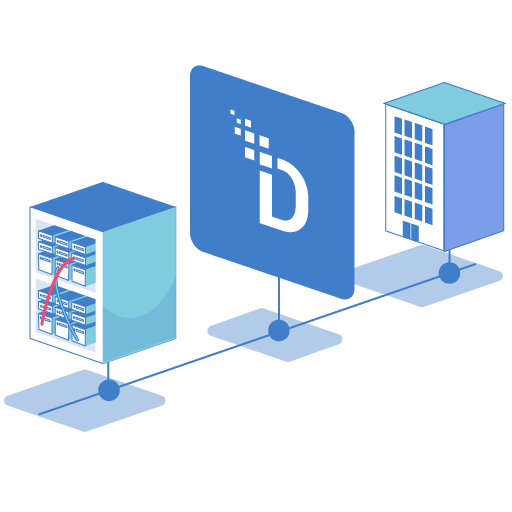
Apply inline protection to core hospital systems without code changes or agents, closing your biggest blind spot.
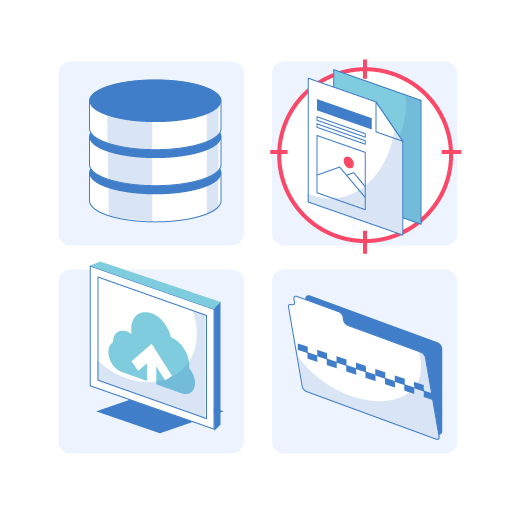
Locate and classify PHI across structured and unstructured data with near-zero false positives, giving you provable HIPAA compliance.
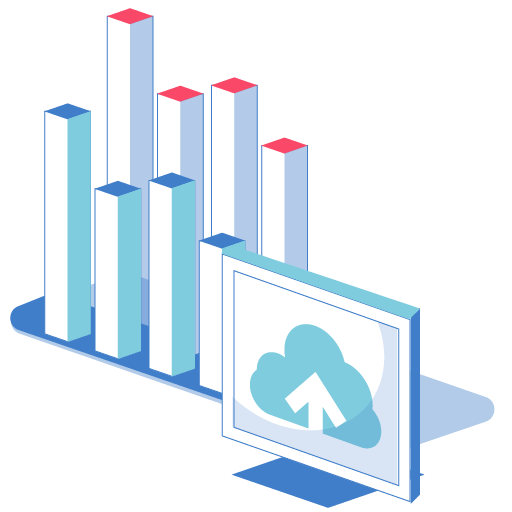
Safely adopt cloud-based AI diagnostics, analytics, and engagement tools by tokenizing PHI before it leaves your environment.
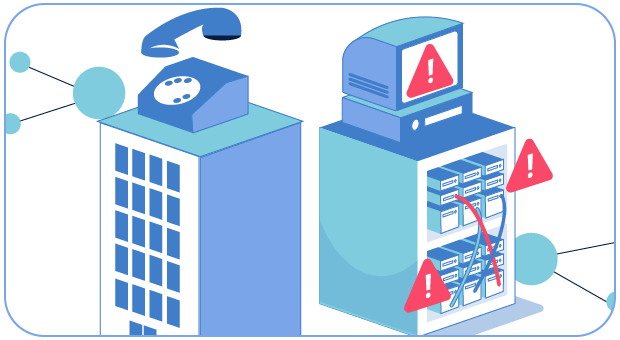
A nationwide telcom giant needed to secure vast volumes of historical subscriber data stored in cleartext on an IBM DB2 mainframe. Application rewrites and agent installs were off the table.
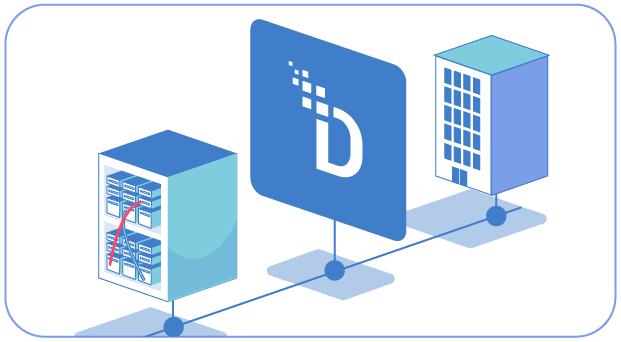
DataStealth was deployed inline, using native DB2 and TN3270 protocols. Sensitive data was vaulted and tokenized in-place, preserving formats and integrity without altering schemas.
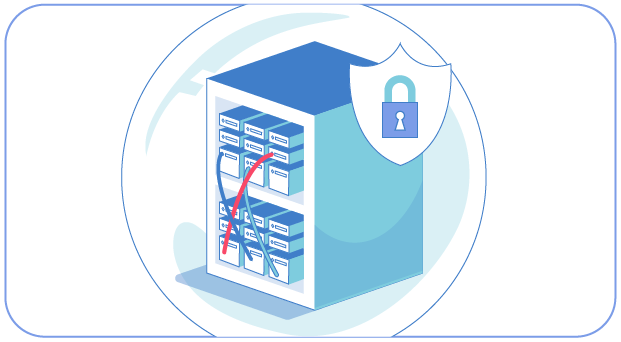
The telecom giant eliminated a massive breach risk, met compliance requirements, and created a secure bridge to share legacy data with modern systems – all without touching its mainframe code.

Use realistic, anonymized PHI for testing and training, speeding up deployment of new apps and clinical tools without exposing real patient data.

Grant conditional access to researchers, clinicians, and remote staff while keeping PHI masked or tokenized.

Secure EMRs, PACS, and other legacy systems with modern protections – no rewrites, no downtime.

Tokenize PHI so you can run AI models, cloud analytics, and digital health tools without exposing sensitive data.

Demonstrate provable compliance across your entire estate by enforcing consistent PHI protection, end-to-end.

Apply protection across data pipelines – from hospital systems to cloud apps – ensuring PHI never exists in exposed cleartext outside secure boundaries.
This isn’t a demo. It’s a working session with a DataStealth architect.
Designed to give you a concrete, technically viable roadmap for securing policyholder data across your most complex systems.

Healthcare organizations face a unique combination of sensitive data volume, legacy infrastructure, and regulatory complexity. PHI – patient names, diagnoses, treatment records, insurance details, biometric data, and imaging files – is scattered across EHR/EMR systems, PACS imaging platforms, clinician file shares, lab systems, and SaaS applications.
Most of these systems can't accommodate endpoint agents or code-level security integrations. EMRs and clinical platforms are architecturally frozen – yet they hold the most sensitive data in the enterprise.
Regulatory pressure amplifies the risk. HIPAA requires safeguards for all ePHI, HITECH extends enforcement to business associates, GDPR constrains cross-border health data flows, and state-level health privacy laws add additional requirements.
DataStealth addresses all of these by applying protection at the data layer – regardless of which system holds the PHI or where it flows.
EHR and EMR platforms – i.e., Epic, Cerner, MEDITECH, Allscripts – are the core of clinical operations. They hold decades of patient records but can't run endpoint agents, accept API-level security integrations, or undergo code modifications without vendor involvement and extensive validation cycles.
DataStealth protects these systems by operating at the protocol layer – intercepting SQL, HL7, and HTTP traffic inline. When a clinician, researcher, or administrative user queries patient data, DataStealth inspects the response and applies dynamic masking based on the user's role, department, and access level – e.g., a billing clerk sees diagnosis codes but not clinical notes, a researcher sees de-identified records.
For PHI stored in file shares – scanned documents, radiology reports, PDF discharge summaries – DataStealth's discovery engine parses unstructured content, identifies PHI via contextual classification, and applies tokenization at the content level.
For detailed HIPAA-specific approaches, read HIPAA Data Masking Best Practices.
HIPAA's Security Rule requires covered entities and business associates to implement administrative, physical, and technical safeguards for all ePHI. HITECH extends breach notification requirements and increases penalties for non-compliance – making the cost of a PHI exposure event significantly higher.
Tokenization supports both by replacing PHI with valueless, format-preserving tokens that contain no patient information. Systems that store and process tokens are no longer handling ePHI – reducing the number of systems subject to HIPAA security controls and audit requirements.
DataStealth applies tokenization in-flight – i.e., before PHI reaches downstream databases, cloud platforms, or SaaS applications.
For test environments, production PHI is de-identified before provisioning – ensuring that dev, QA, and analytics systems never contain real patient data.
This approach satisfies HIPAA's Minimum Necessary Rule by ensuring each system only receives the level of data it legitimately requires.
Healthcare cloud security is the primary barrier to innovation. AI diagnostics, population health analytics, and patient engagement platforms require access to large PHI datasets – but HIPAA, HITECH, and data residency regulations restrict how that data can be processed, especially in cloud environments hosted outside the mandated jurisdiction.
DataStealth resolves this by tokenizing PHI before it reaches the cloud. AI and analytics platforms process format-preserving tokens – retaining the statistical properties and relationships needed for model training and analysis, but containing no exploitable patient information.
For organizations running hybrid architectures – on-premise EHRs feeding cloud analytics – DataStealth enforces consistent tokenization and masking policies across both environments from a single platform.
The cloud system stores only tokens, and the on-premises EHR remains untouched. Compliance is enforced by architecture, not by relying on the cloud vendor's security posture.