

Neutralize breach risk, accelerate cloud adoption, and prove compliance with a single, agentless data security platform.
schedule a demoYou face relentless pressure from OSFI, PCI DSS, GDPR, and other regulators – but today’s security stack wasn’t built for the way financial data actually flows. Decades of customer PII and transaction records sit across both untouchable legacy systems and fast-moving SaaS apps, leaving dangerous blind spots.

Mainframes and other core systems can’t run agents, leaving entire environments invisible to your tools – and wide open to attackers.

Existing platforms can’t reliably classify or prove coverage across all financial data types, leaving you exposed to audit failures.

Residency rules and third-party risk keep you from using best-in-class SaaS tools, forcing you to fall behind faster competitors.
DataStealth applies protection directly at the data layer. By intercepting data in motion, we discover, classify, and de-identify sensitive PII and financial records before they ever land in a vulnerable system or third-party app.

Agentless discovery scans your estate end-to-end – from DB2 on the mainframe to cloud data lakes – with near-zero false positives.
Replace PII and financial data with format-preserving tokens that are useless to attackers but fully usable by your systems.


Even if attackers gain access, exfiltrated data is worthless – no customer harm, no regulatory penalties.
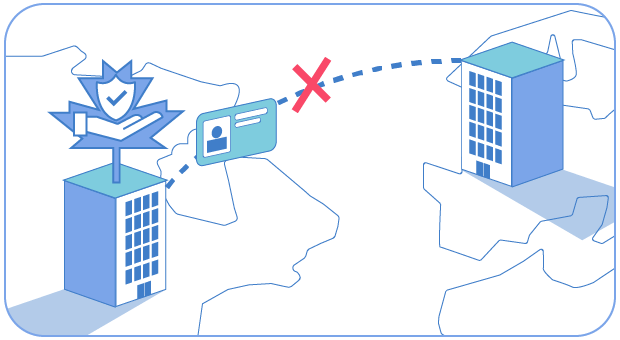
A leading Canadian insurer was blocked from adopting Salesforce Marketing Cloud because customer PII couldn’t leave Canada.
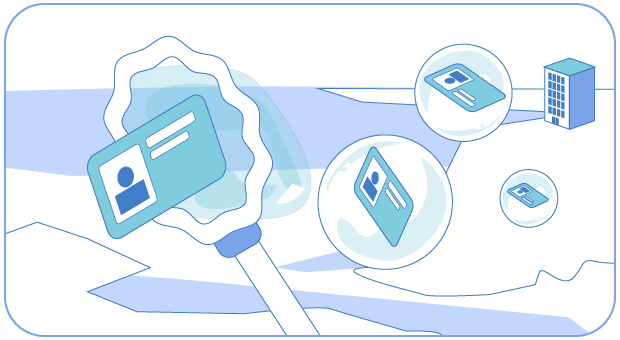
DataStealth intercepted and tokenized all outbound PII in-flight, ensuring cleartext never left the country.
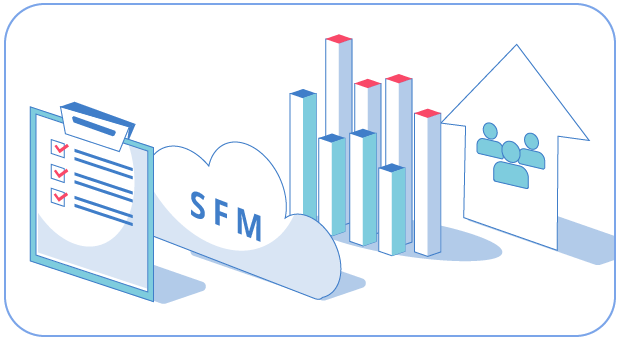
The insurer adopted Salesforce seamlessly, boosted customer engagement, and proved compliance to regulators.
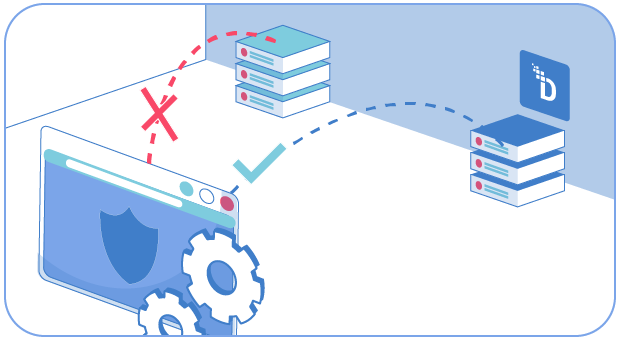
Connect via a simple DNS change. DataStealth inspects SQL, HTTP, TN3270, and more – no agents, no rewrites.
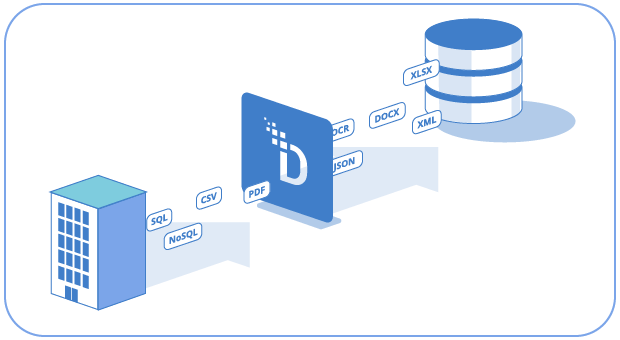
Apply tokenization or masking instantly, protecting sensitive data before it reaches a database, SaaS app, or test environment.
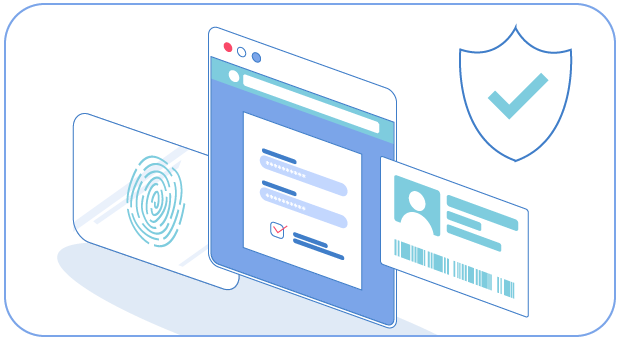
Grant cleartext access only to authorized users. Everyone else – partners, offshore teams, vendors – sees only masked or tokenized values.

Use realistic, anonymized test data in CI/CD pipelines to shorten release cycles without risking production data.

Share data safely with offshore teams or vendors. Dynamic masking ensures sensitive values are never exposed.

Apply modern data protection to mainframes and core systems without rewriting a single line of code.
Neutralize sensitive data before it leaves your environment, making any SaaS or cloud app safe to adopt.

One agentless platform scales seamlessly across your entire data estate with centralized policy control.

Let valueless tokens move across borders while sensitive data remains safely vaulted within jurisdiction.

Walk away with a clear, technically viable plan to secure your most critical data while cutting costs and complexity.

Financial institutions face a unique intersection of legacy complexity and regulatory pressure. Core banking systems – i.e., mainframes running DB2, CICS, and IMS – can't run endpoint agents, leaving decades of customer data invisible to modern security tools.
At the same time, regulators demand more – PCI DSS v4.0 tightens cardholder data requirements, GLBA mandates safeguards for nonpublic personal information, OSFI B-13 sets technology and cyber risk expectations for Canadian federally regulated institutions, and GDPR constrains how customer data can flow across borders.
The result is an environment where sensitive data sits in systems that can't be modernized quickly, need to move to SaaS platforms and cloud environments for competitive reasons, and must remain compliant across every jurisdiction the institution operates in.
DataStealth addresses all three by applying protection at the data layer – regardless of where the data lives or moves.
Under PCI DSS, any system that stores, processes, or transmits cardholder data falls within the Cardholder Data Environment (CDE) – and every system in the CDE is subject to assessment. For a large bank or insurance company, that can mean hundreds of systems across multiple data centres and cloud regions.
Tokenization removes systems from the CDE by replacing cardholder data with format-preserving tokens before it reaches downstream applications.
Since tokens are not classified as cardholder data under PCI DSS, the systems that store and process them are excluded from scope entirely.
DataStealth applies tokenization in-flight – i.e., at the protocol layer before data reaches databases, APIs, or SaaS applications.
The result is automatic, continuous scope reduction that translates directly into fewer systems to assess, lower audit costs, and faster certification cycles. For a detailed comparison of scope reduction methods, read Tokenization vs Network Segmentation.
Mainframes are the backbone of banking – processing core transactions, holding decades of customer records, and running applications that can't be rewritten. Traditional security tools require agents or API integrations that mainframe environments don't support.
DataStealth protects mainframe data by operating at the network layer – intercepting TN3270, DRDA, and other mainframe protocols in-line and applying tokenization or masking to sensitive fields before data leaves the mainframe perimeter. No agents are installed on the mainframe itself, no application code is modified, and no COBOL rewrites are required.
This approach is particularly valuable for mainframe-to-cloud migration scenarios – data can flow from DB2 on the mainframe to a cloud data warehouse with sensitive values tokenized in transit. The cloud system only ever stores tokens, eliminating both breach risk and compliance exposure.
Data residency regulations – including OSFI expectations, GDPR, and provincial privacy laws – restrict where customer data can be processed and stored.
Most best-in-class SaaS platforms (Salesforce, ServiceNow, Workday) host data in U.S. or multi-region cloud environments, creating a direct conflict with residency mandates.
DataStealth resolves this by tokenizing PII in-flight before it reaches the SaaS vendor's servers. The vendor processes format-preserving tokens – not real customer data – so no personal information ever leaves the mandated jurisdiction. The SaaS application functions normally, joins and automations work, and auditors confirm that no regulated data is at rest with the vendor.
This approach is proven in production – a Canadian insurer unlocked U.S.-hosted Salesforce Marketing Cloud with zero PII leaving Canada. For financial institutions evaluating test data management for development teams that use offshore resources, the same tokenization framework ensures secure data provisioning across jurisdictions.